Woodland-led planting at Calcot’s Tree Houses: a landscape designed to feel established from day one
Woodland-led planting at Calcot’s Tree Houses: a landscape designed to feel established from day one
For the Tree Houses at Calcot, our ambition was simple: create a setting that feels immersive, calm and authentically woodland—as though the new cabins have been gently placed within an existing ecosystem rather than imposed on it.
This was a scheme about respecting what was already working on site, protecting retained vegetation through construction, and strengthening biodiversity through a layered, predominantly native planting palette. The design also links directly to Calcot’s wider rewilding direction, ensuring the new development contributes positively to the site’s long-term ecological story.
A light-touch approach: protect the woodland first
Woodland landscapes are incredibly sensitive to soil disturbance and compaction—particularly within root zones—so the scheme prioritised low-impact interventions:
Existing vegetation retained wherever possible, with clear protection measures during construction and careful reinstatement afterwards.
Paths retained and only diverted/extended where necessary to provide safe, legible access for guests and staff.
No-dig path construction in root-sensitive areas, reducing compaction and helping woodland soils remain aerated and biologically active.
A species palette tailored to dry shade and base-rich (alkaline) soils, inspired by local woodland community types.
Planting design: layered woodland structure (canopy → shrub → field layer)
We shaped the planting as a woodland system rather than a decorative border—building ecological function and a strong sense of place through structure and seasonal rhythm.
1) Trees: structure, character, habitat
A small number of new trees were introduced to diversify the canopy and help knit new elements into the existing woodland setting. Key species included:
Fagus sylvatica (Beech)
Carpinus betulus (Hornbeam)
Acer campestre (Field maple)
Betula pendula (Silver birch)
Ulmus ‘Sapporo Autumn Gold’ (Elm cultivar)
Together, these strengthen woodland character, extend habitat value, and support long-term resilience through variety.
2) Understorey and shrub layer: wildlife value at eye level
This is the layer guests experience most directly—on approach, along paths, and from decks—so it’s where we concentrated richness, texture, berries, nectar and shelter.
The shrub mix includes largely native/near-native woodland edge species such as:
Corylus avellana (Hazel)
Cornus sanguinea (Dogwood)
Viburnum opulus (Guelder rose) and Viburnum lantana (Wayfaring tree)
Euonymus europaeus (Spindle) including ‘Red Cascade’
Ilex aquifolium (Holly)
Ligustrum vulgare (Wild privet)
Rhamnus cathartica (Buckthorn)
Salix cinerea (Grey willow)
Lonicera periclymenum (Honeysuckle)
This layer provides seasonal change—spring flowers, summer structure, autumn berries, winter form—while increasing shelter and food resources for birds and invertebrates.
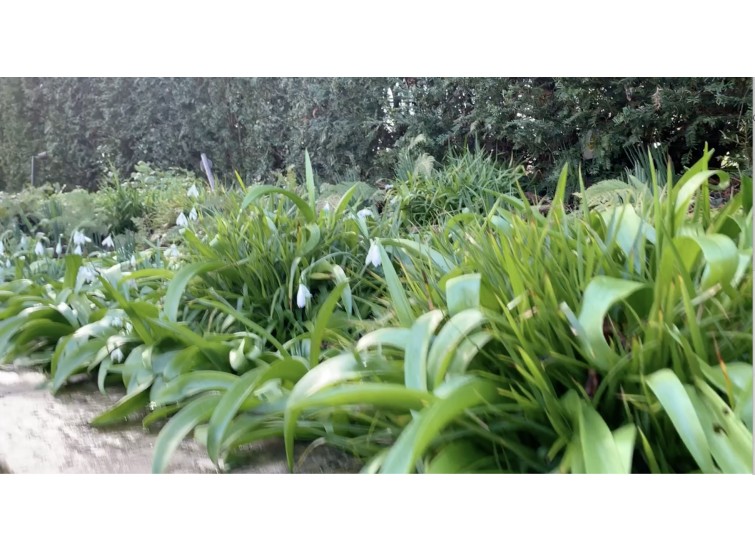
3) Field layer: woodland ground flora, ferns, and shade-tolerant grasses
The field layer is what makes woodland feel enveloping and “real” at close range. Here we used a robust mix suited to dry shade and alkaline soils, combining classic woodland flowers, durable grasses, and strong fern structure:
Primula vulgaris (Primrose)
Digitalis purpurea (Foxglove)
Campanula trachelium (Nettle-leaved bellflower)
Galium odoratum (Sweet woodruff)
Ajuga reptans ‘Purpurea’ (Bugle)
Melica uniflora (Wood melick) and Luzula pilosa (Hairy woodrush)
Deschampsia caespitosa (Tufted hair grass)
Ferns including Asplenium scolopendrium (Hart’s-tongue fern), Polystichum aculeatum (Hard shield fern) and Dryopteris filix-mas ‘Crispa’ (Male fern cultivar)
These choices give texture, movement and seasonal interest—without needing high light levels—while supporting a more ecologically diverse woodland floor.
Wildflower strategy: targeted mixes, placed where they’ll thrive
To complement woodland planting and build pollinator value, we specified two British Flora mixes in appropriate micro-locations:
Hedgerow & Shade mix for woodland edge and semi-shade areas
Birds, Bees & Butterflies mix to boost flower supply and biodiversity value
Used in the right places, these mixes add a vibrant seasonal layer while staying grounded in a naturalistic palette.
The outcome: a setting that feels established, immersive and biodiverse
This scheme is designed to mature into a woodland experience with real ecological depth: layered structure, resilient shade planting, and careful soil/root protection that supports the health of retained trees. The result is a calm, nature-first arrival and journey—where the landscape does the quiet work of making the Tree Houses feel like they truly belong.
Call us today to discuss your requirements:
01543 762726 or Click here to get in touch